Leprosy Mission: praying for climate justice as communities on the margins bear the greatest burden
The Leprosy Mission calls for prayer and global cooperation on climate justice, highlighting how communities affected by leprosy in Mozambique and Sri Lanka are building climate resilience through agriculture while bearing a disproportionate burden from environmental change.
Analysis
The people most affected by climate change are rarely the people who caused it. This uncomfortable truth sits at the heart of The Leprosy Mission's call for prayer and action on climate justice — a call that is grounded not in abstract policy but in the lived experience of communities in Mozambique and Sri Lanka.
People affected by leprosy already face significant disadvantages: social stigma, physical disability, and economic marginalisation. When climate change brings flooding, drought, or crop failure, these communities are hit hardest and recover slowest. They have the fewest resources to adapt, and the least political power to demand protection.
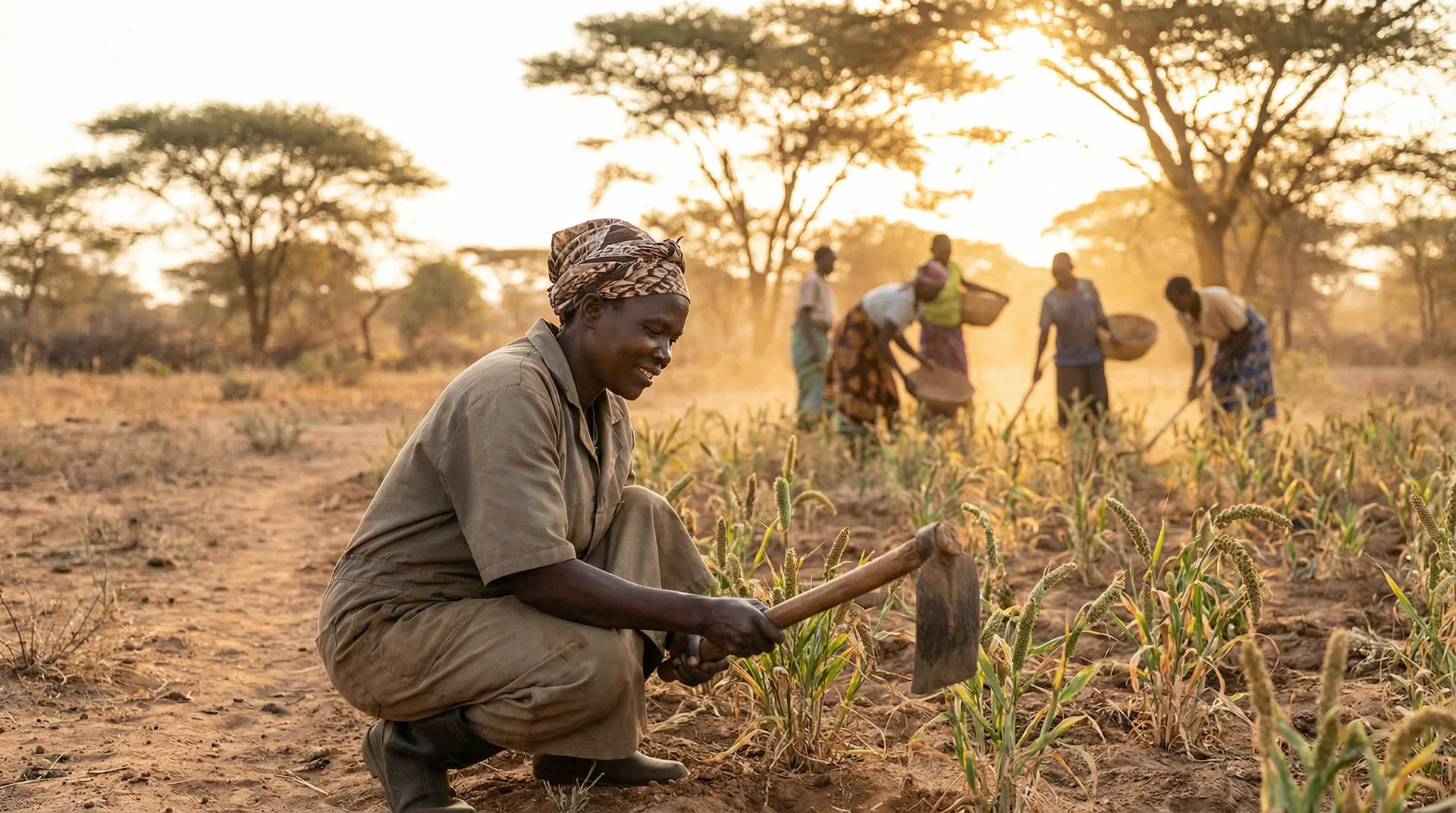
And yet, as The Leprosy Mission's story shows, these are not passive victims. Communities in Mozambique and Sri Lanka are building climate resilience through sustainable agriculture, adapting their livelihoods, and supporting one another through the disruptions that climate change brings. Their ingenuity and determination in the face of compounding challenges is both humbling and inspiring.
For UK Christians, this is a call to prayer that is also a call to action. The climate policies that wealthy nations adopt — or fail to adopt — have direct consequences for the people The Leprosy Mission serves. Praying for climate justice and advocating for it are not separate activities. They are two expressions of the same love.