London City Mission: the church's unique role in responding to London's knife crime crisis
Jason O'Shea from London City Mission's Operation Forgiveness team calls on the church to respond urgently to rising knife crime in London, arguing that the gospel offers a unique hope and belonging to young people caught in cycles of violence.
Analysis
Jason O'Shea has spent years working with young people caught in the cycles of violence that characterise too much of London's street life, and his call to the church is both urgent and specific. Rising knife crime is not a problem that policing alone can solve. It is a problem of belonging, of identity, of the desperate search for community and protection that drives young people into gangs in the first place.
Operation Forgiveness, London City Mission's ministry in this space, understands something that statistics cannot capture: that the young person carrying a knife is often also a young person who is afraid, who has been failed by the systems that should have protected them, and who is looking for something to belong to. The gospel, O'Shea argues, offers exactly that — a belonging that does not require violence to maintain, and a community that does not abandon you when things go wrong.
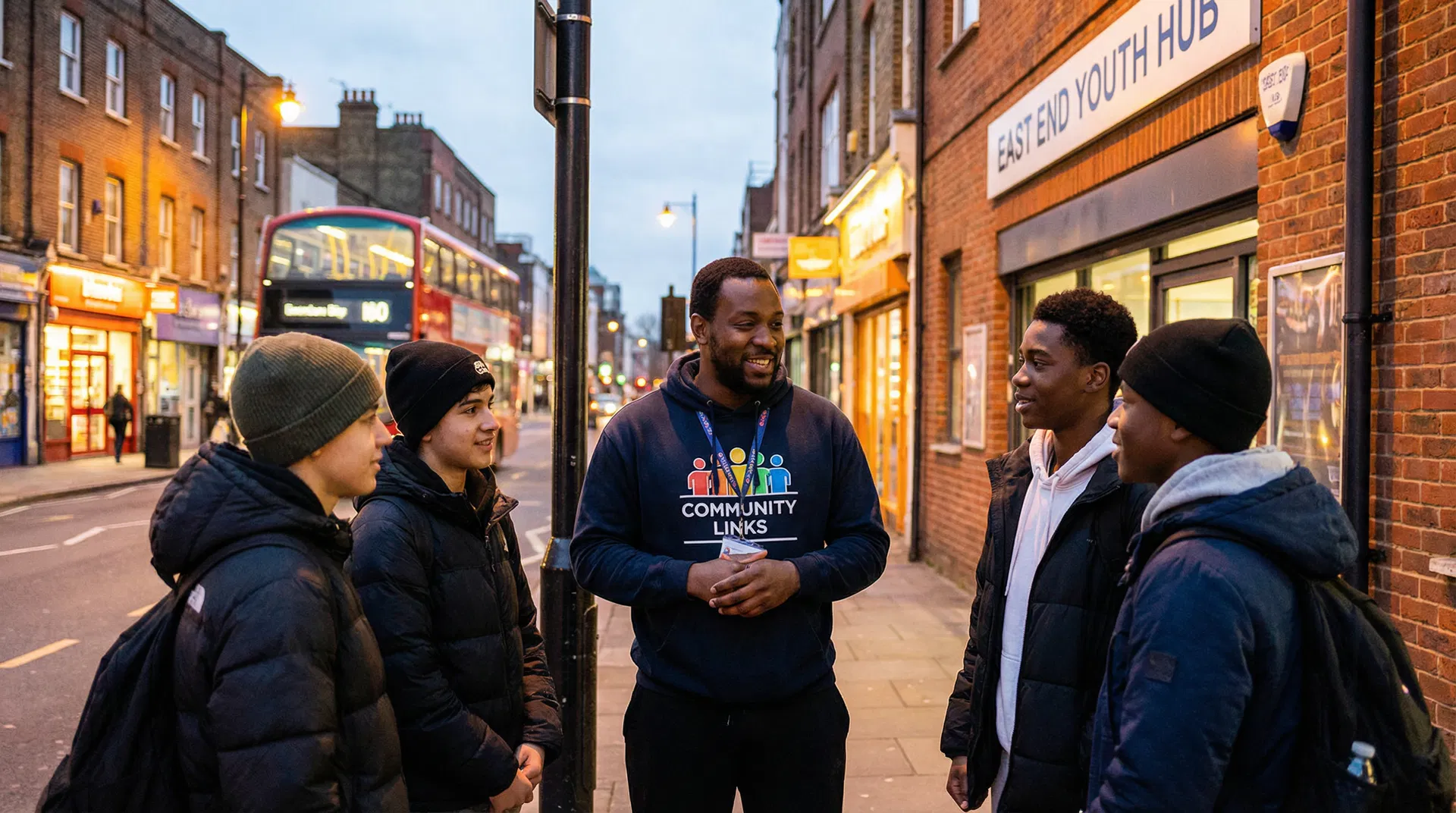
The church's role here is not to replace the police or the social worker, but to be present in the places and relationships where statutory services cannot reach. A youth worker who shows up week after week, who knows your name and your story, who represents a community that will not give up on you — this is not a soft alternative to serious intervention. It is, in many cases, the most serious intervention of all.
For churches in London and beyond, O'Shea's challenge is a practical one: are we present in the communities where this crisis is playing out? And if not, what would it take to get there?