Salvation Army Calls for Urgent Housing Law Reform as Rough Sleeping Hits Record High
The Salvation Army is calling for urgent reform of homelessness legislation after new government figures revealed 4,793 people slept rough in England on a single night in 2025 — the highest number recorded since 2010 and a 3% rise on the previous year.
Analysis
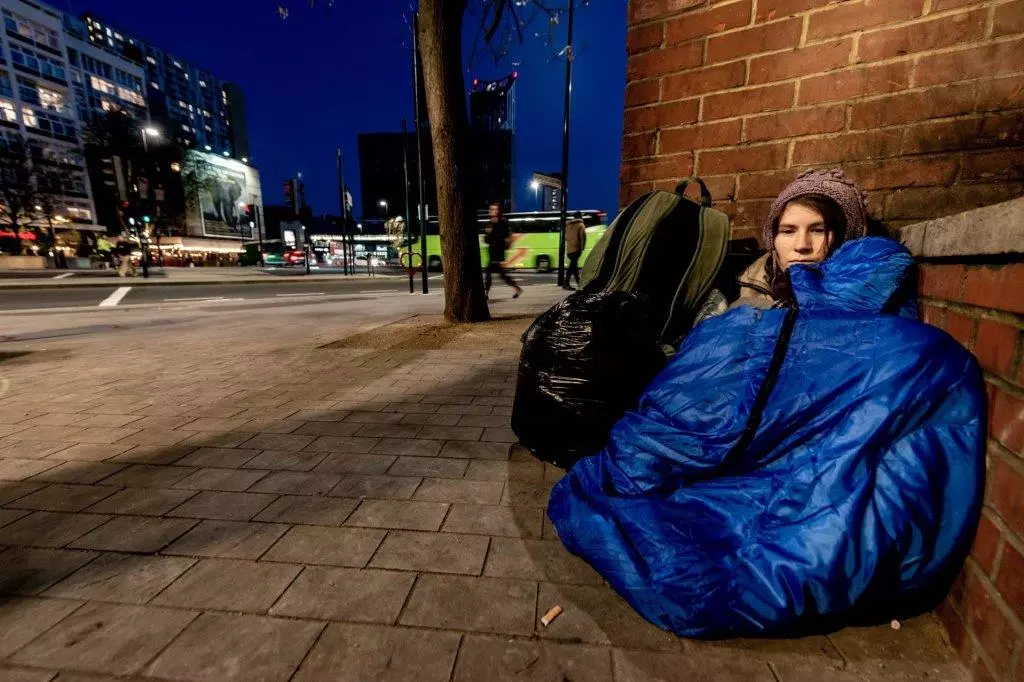
The numbers are stark. On a single night in 2025, 4,793 people were sleeping rough in England — the highest figure recorded since the current method of counting began in 2010, and a 3 per cent rise on the year before. For The Salvation Army, which has been working with homeless people in Britain for over 150 years, these figures are not an abstraction. They represent real people — men and women who have fallen through the gaps of a system that, in the charity's view, is structurally broken.
The core of The Salvation Army's argument is straightforward: England's homelessness legislation creates a "priority need" system that legally requires councils to house certain groups — pregnant women, families with dependent children, people with disabilities — but leaves thousands of others with nowhere to turn. This is not, as Nick Redmore, the charity's Director of Homelessness Services, makes clear, simply a matter of being further back in a queue. For many single adults, the legal framework means they are excluded from emergency accommodation altogether, leaving rough sleeping as the only option.
The Salvation Army is calling for two specific changes: adding rough sleepers to the priority need list, and ultimately abolishing the priority need system entirely so that everyone who is homeless can receive help. They are also calling for investment in social housing to address the underlying shortage.
For UK Christians, this is a moment to ask what it means to love our neighbours. The Salvation Army's corps across the country run night shelters, drop-ins, and support services that many local churches partner with or support. Engaging with their call for legislative change — whether through prayer, advocacy, or writing to an MP — is one concrete way the wider church can stand alongside those sleeping in doorways this winter.