17 Christians Killed and 100 Abducted in DR Congo as ISCAP Violence Escalates
Islamic State Central Africa Province (ISCAP) has claimed responsibility for killing 17 Christians and abducting approximately 100 others in the village of Mushasha in north-eastern DR Congo on 13 March 2026. The attack is part of an escalating pattern of violence that has claimed at least 850 Christian lives since December 2024.
Analysis
The village of Mushasha in north-eastern Democratic Republic of Congo was attacked on 13 March 2026. Seventeen Christians were killed. Around 100 others were abducted. Dozens of homes were burned. A Chinese-owned gold mine and a Congolese military base were also targeted. Islamic State Central Africa Province—ISCAP, formerly known as the Allied Democratic Forces—claimed responsibility.
This is not an isolated incident. Three days earlier, on 10 March, ISCAP beheaded two Christians from Mayuano. In July 2025, the group slaughtered 34 people in an attack on a church service in Komanda. Since December 2024, ISCAP has claimed responsibility for the deaths of at least 850 Christians in north-eastern Congo. That is not a crisis. It is a campaign of extermination.
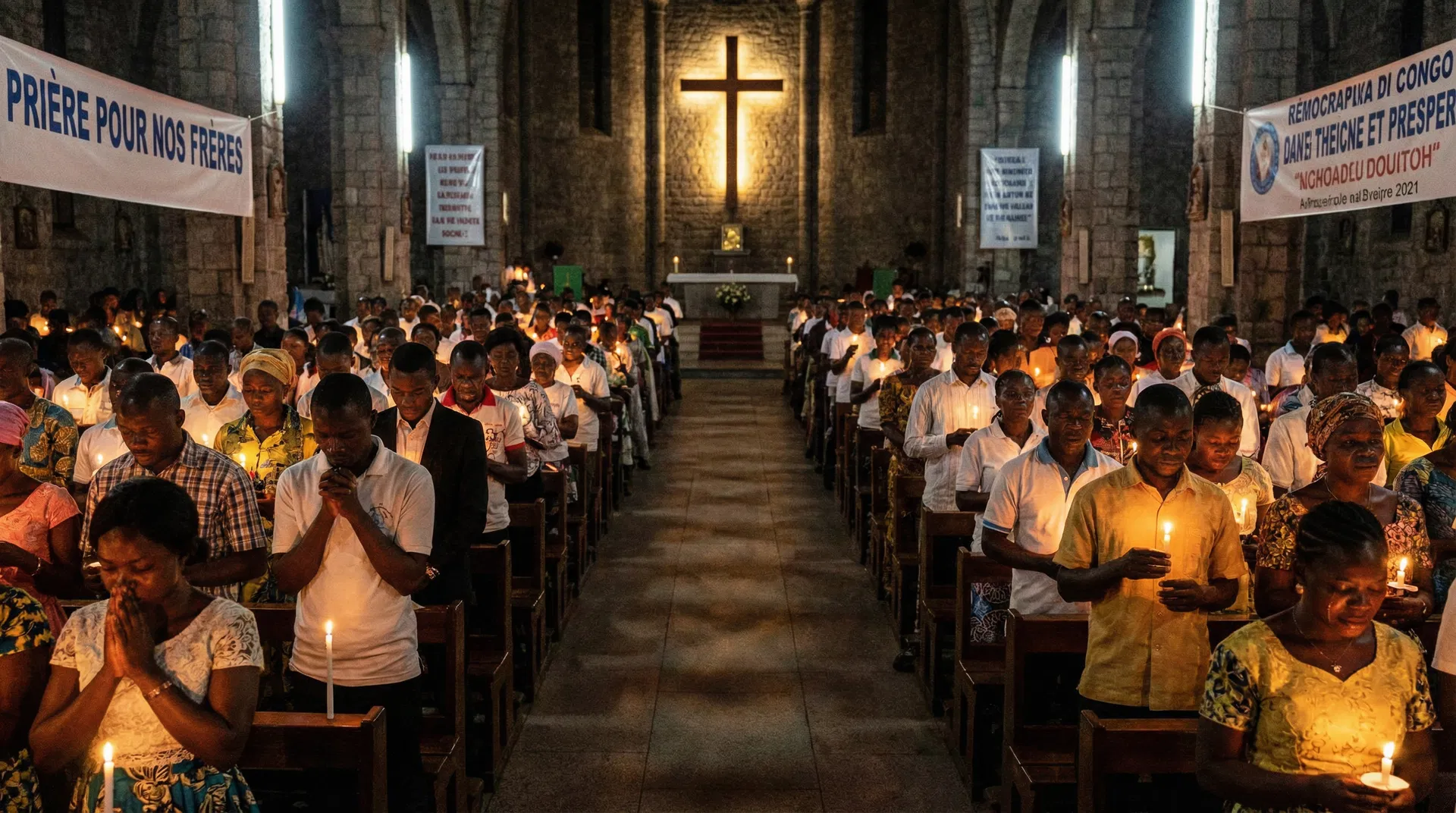
Barnabas Aid, which supports persecuted Christians around the world, is reporting these attacks because the world's media largely is not. The suffering of Christians in DR Congo does not fit neatly into the narratives that dominate international news coverage, and so it goes unreported. But the families of the 17 people killed in Mushasha are grieving right now. The 100 people abducted are in the hands of a terrorist organisation right now. Their faith is being targeted because of who they are and who they worship.
The global church has a responsibility to know about this, to pray, and to advocate. Barnabas Aid is asking supporters to pray for the families of those killed, for the safe return of those abducted, for the protection of Christian communities in north-eastern Congo, and for an international response that takes the targeting of Christians seriously.
These are our brothers and sisters. Their suffering is our suffering.