Singing Together: £400,000 Investment in Church Choirs Brings Music and Belonging Back to Young People
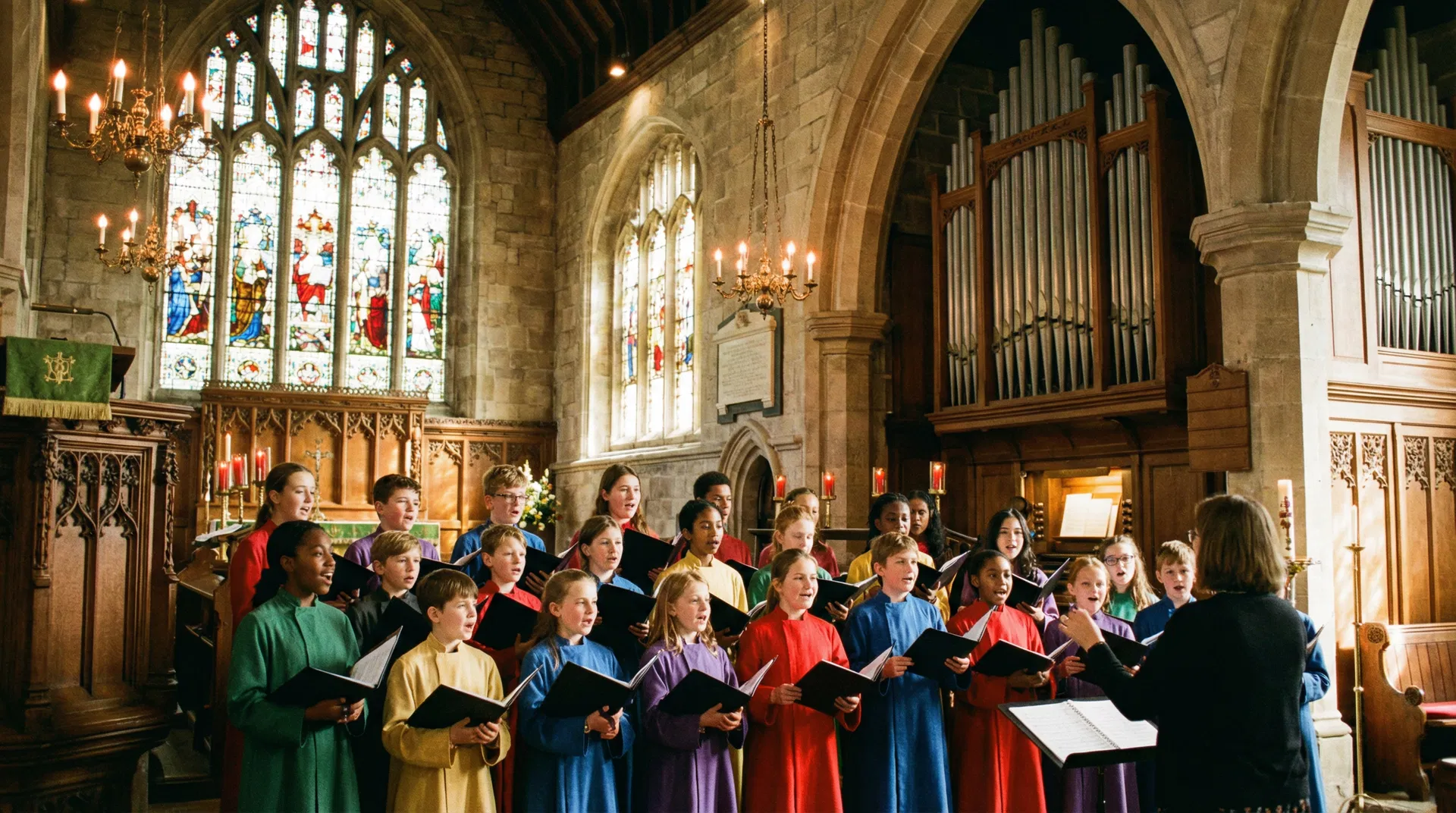
The Church of England has announced a £400,000 investment to renew and create over 200 church choirs for children and young people. The programme aims to expand access to choral music, foster community belonging, and help young people develop confidence, discipline, and joy through singing together.
Analysis
There's something about singing together that transforms people. It's not just about the music, though that matters. It's about the experience of being part of something larger than yourself, of blending your voice with others, of creating beauty together. It builds community in a way that few other activities can.
That's why the Church of England's £400,000 investment in church choirs for children and young people is so significant. This isn't just about music education, though it certainly includes that. It's about creating spaces where young people can belong, develop confidence, and experience the joy of being part of a community.
The scale is impressive: over 200 church choirs for children and young people to be renewed or created. That's a substantial commitment. But what's even more impressive is the vision behind it. The Church of England is recognising something that research has long confirmed: young people need spaces where they can develop skills, build relationships, and experience belonging. Church choirs offer all three.
Let's start with the practical benefits. Singing in a choir develops discipline, musicality, and performance confidence. Young people learn to listen to others, to blend their voices, to work toward a common goal. These are skills that transfer to every other area of life—to school, to work, to relationships. A young person who's learned to sing in a choir has learned something about collaboration, about excellence, about perseverance.
But the benefits go deeper than that. Choirs create community. When you sing together regularly, you build relationships. You support each other. You celebrate together when a performance goes well. You encourage each other through the difficult bits. For young people who might feel isolated or disconnected, a choir can be a lifeline. It's a place where they belong, where they're valued, where their voice literally matters.
And then there's the spiritual dimension. Singing has always been central to Christian worship. From ancient hymns to contemporary worship songs, music has been the language through which communities express their faith. When young people sing in church choirs, they're not just learning music; they're participating in something ancient and sacred. They're joining a tradition that stretches back centuries. They're experiencing worship not as something passive—sitting and listening—but as something active and participatory. That's transformative.
In a time when many young people feel disconnected from faith communities, church choirs offer a bridge. A young person might come for the music and stay for the community. They might discover that church is a place where they belong, where their gifts are valued, where they can be part of something meaningful.
The Church of England's investment also sends an important message: we value young people. We're willing to invest resources in creating spaces where they can thrive. We're not just asking young people to fit into existing structures; we're creating new structures designed with their needs and gifts in mind.
Of course, the success of this programme will depend on local implementation. It will require churches to commit resources, to recruit and train choir leaders, to create welcoming spaces for young people. It will require sustained effort and genuine investment. But the fact that the Church of England is making this commitment at the national level sends a powerful signal to local churches: this matters. Young people matter. Music and community matter.
For those of us who care about the future of the Church, this investment is encouraging. It shows that the Church of England is thinking seriously about how to reach and nurture young people. It shows that they understand that faith communities need to offer more than just Sunday services—they need to create spaces where young people can develop their gifts, build relationships, and experience belonging.
As we think about the challenges facing churches today—declining attendance, ageing congregations, questions about relevance—initiatives like this offer hope. They remind us that when we create genuine spaces for young people to belong and contribute, they respond. When we invest in their gifts and their development, they flourish.
The 200-plus church choirs that will be created or renewed through this programme will change lives. Young people will discover gifts they didn't know they had. They'll build friendships that last. They'll experience the joy of making music together. They'll discover that church is a place where they belong. And in doing so, they'll help shape the future of faith communities in the UK.
That's worth £400,000. That's worth far more than that.